

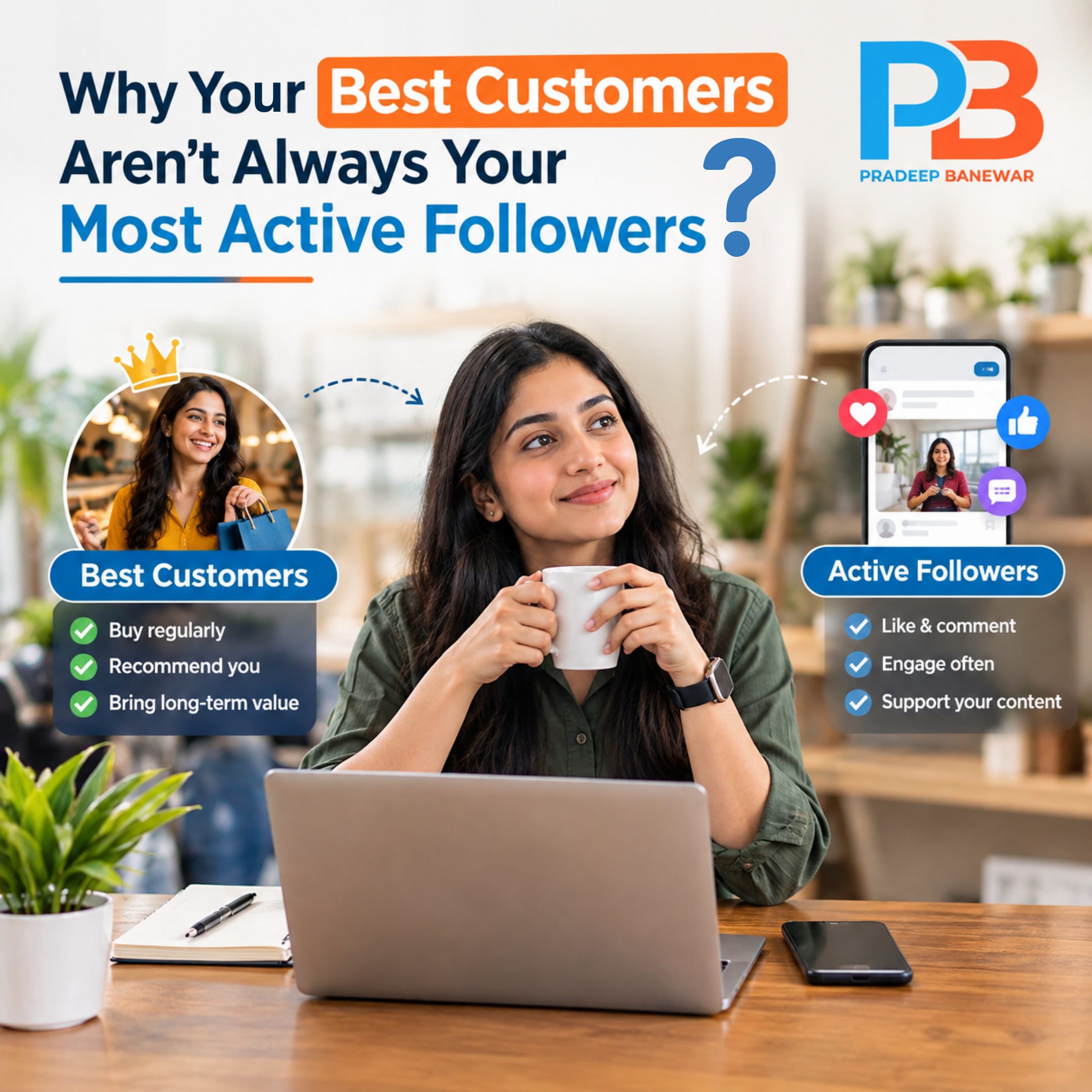
You check your Instagram. The same five people like every post. The same three people comment every time.
You assume they’re your best customers.
But the names that appear in your real sales data may be very different from the ones getting the most attention. Quiet people. People who rarely comment. People you barely notice online.
This mismatch confuses many business owners. Let’s break down why it happens, and why chasing likes and comments isn’t the same as chasing real business growth.
It’s an easy mistake to make because social media puts engagement right in front of you. Every like pops up as a notification. Every comment feels like a small win. Meanwhile, a customer quietly ordering or sending a private message doesn’t bring the same rush of excitement. But one of these actually pays your bills, and it’s rarely the one making the most noise.
The Trap of Mistaking Engagement for Loyalty
It’s easy to assume your most active followers are your most valuable customers. They show up in your notifications. They like your posts. They comment with heart emojis.
However, engagement and customer loyalty are different things.
Some people love engaging with content, but never buy
Some people buy repeatedly, but rarely comment or like anything
Some followers are simply friends, family, or fellow business owners supporting you, not paying customers at all
Confusing visible engagement with real business value is one of the quieter reasons behind why businesses fail at online marketing. You end up designing your entire strategy around the wrong audience.
Why Quiet Customers Often Spend the Most?
Here’s something most business owners don’t expect: your quietest followers are often your most serious buyers.
Consider your own experience as a buyer. Do you comment on every brand’s post before buying something? Probably not. Most people:
Scroll past posts silently
Save posts without liking them
Message privately instead of commenting publicly
Simply visit the website or store directly when they’re ready to buy
Public engagement is often a sign of enjoyment, not intent to purchase. Silent scrolling is often a sign of genuine interest, followed by a private decision to buy.
There’s also a simple psychological reason behind this. Buying is a personal decision, often involving money, trust, and sometimes even a bit of vulnerability. Commenting publicly on a post is a much smaller, lower-stakes action. It makes sense that the people doing the bigger, more personal action (buying) often skip the smaller, public one (commenting) entirely.
The Difference Between Attention and Intention
To understand this clearly, it helps to separate two different things:
Attention is engagement: likes, comments, shares, views
Intention is action: clicks, inquiries, purchases, repeat orders
Someone can engage heavily with your content without having any real intention of buying. Meanwhile, a person can show almost no public attention, yet quietly become your most loyal, highest-spending customer.
This is why understanding the full customer buying journey from awareness to purchase matters so much. Someone can be far along that journey, close to buying, without ever liking a single post.
Why This Mistake Happens So Often?
Social media platforms are designed to make engagement visible and sales invisible. You see every like and comment in real time. You don’t see someone quietly adding your product to their cart, or thinking about messaging you on WhatsApp later that night.
This gives you a one-sided view of what’s happening:
Engagement feels rewarding, so business owners chase more of it
Sales often happen quietly, off-platform, or after multiple silent visits
Business owners start creating content for engagement, not for buyers
Over time, this can lead to content that gets likes, but doesn’t actually grow revenue.
Real Examples of This Mismatch
Example 1: The Bakery Owner
A local bakery owner noticed the same ten people liking every post. She assumed they were her core customers. But when she checked her order history, most of her repeat buyers had never once liked a post. They simply messaged her directly on WhatsApp when they wanted to order.
Example 2: The Freelance Designer
A freelance graphic designer had a small circle of followers who commented enthusiastically on every design she shared. But her actual paying clients came from referrals and cold LinkedIn messages, people who never once interacted with her posts publicly.
Example 3: The Fitness Coach
A fitness coach built a large following of people who loved liking motivational posts. But her paying clients were mostly quiet followers who watched her content for weeks before finally sending a private message asking about her programs.
How to Identify Your Real Best Customers?
Instead of relying on likes and comments, look at real signals of value:
Repeat purchases: who keeps coming back, again and again?
Order value: who spends the most per purchase, even if rarely?
Referrals: who sends new customers your way?
Direct messages: who reaches out privately with real buying intent?
Reviews: who takes the time to leave genuine, detailed feedback?
These signals matter far more than public engagement, because they reflect real trust and real spending, not just casual interest.
Speaking of referrals, if you want to intentionally grow this quieter, high-value group, this guide on turning one client into ten through referrals shows exactly how to encourage your best, quietest customers to bring in more people just like them.
Try this simple exercise: pull up your last twenty orders or client bookings, and check how many of those buyers actually engage with your posts online. In most small businesses, the overlap is surprisingly small. That gap is worth paying attention to, because it tells you exactly who you should be paying more attention to.
Don’t Ignore Engagement Completely
To be clear, engagement isn’t useless. It matters, but perhaps not for the reasons most people assume.
Engagement helps with:
Building visibility for new content
Helping social media algorithms recognise your content as relevant
Creating a loyal community around your brand
Warming up potential future buyers over time
The mistake isn’t engaging with your audience. The mistake is assuming engagement alone equals loyalty or sales. Both matter, but they serve different purposes.
How to Market to Silent, High-Value Customers?
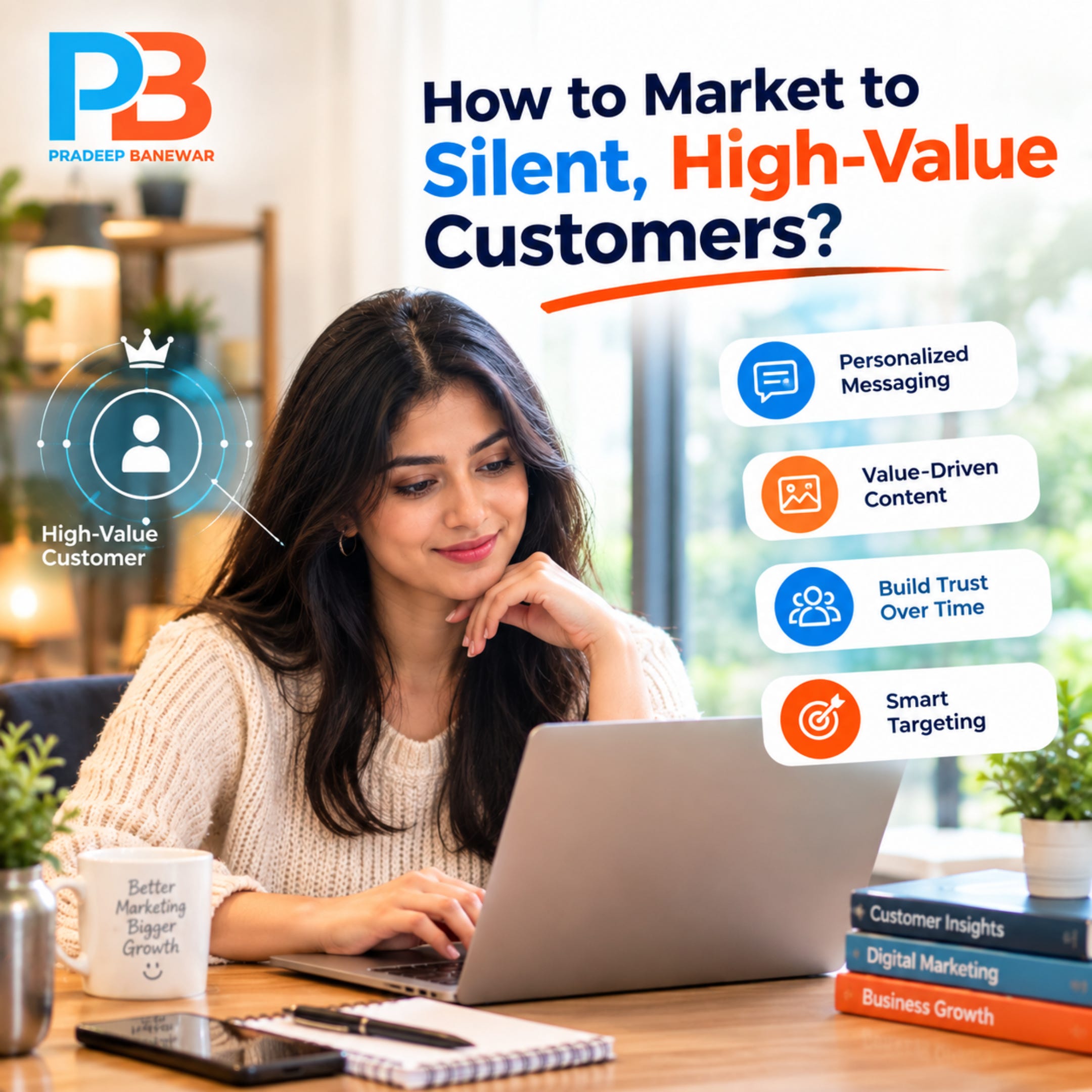
Since your best customers may never comment or like your posts, you need strategies that reach them anyway.
1. Make It Easy to Buy Quietly
Not everyone wants to comment “interested” publicly. Give people private, low-pressure ways to reach you:
A simple WhatsApp button or link
A clear “message us” option, without public comments required
An easy checkout process that doesn’t require social interaction first
Many small businesses have found success by selling directly through WhatsApp, which naturally suits customers who prefer privacy over public comments.
2. Track What Actually Converts
Instead of only watching likes, track:
Which posts led to direct messages or inquiries
Which content brought in actual sales, not just views
Which channels quiet customers use most: WhatsApp, email, or direct visits
3. Build Trust Through Consistency, Not Just Interaction
Silent followers are often watching closely, even without engaging. Consistent, honest content builds their trust slowly over time.
This connects to a bigger truth in business. Trust has become the real currency businesses compete on, and much of that trust is built quietly, through consistency, not through public interaction.
Think of it like a relationship forming in the background. Someone might follow you for months, see your posts regularly, notice how you handle a difficult customer comment or a mistake, and slowly build confidence in your brand, all without ever liking a single post. By the time they finally contact you, they’ve often already decided to purchase. Your content simply confirmed what they’d been quietly observing all along.
4. Create Content That Serves Buyers, Not Just Viewers
Ask yourself: is this post entertaining, or is it actually helping someone decide to buy?
Both types of content have a place, but if everything you post is designed purely for likes and shares, you may be attracting an audience that enjoys your content, without ever converting into paying customers.
Rethinking How You Measure Success
If likes and comments aren’t the full picture, what should you actually track?
Conversion rate: how many followers actually become paying customers?
Customer lifetime value: how much can one customer contribute to your business over the long term?
Repeat purchase rate: how many customers come back a second or third time?
Referral rate: how many new customers are coming through recommendations from existing customers?
These numbers tell a far more accurate story about your business’s real health than any engagement metric ever could.
If you’re building or refining your overall approach, these metrics fit naturally into a simple one-page marketing plan for small businesses, where tracking real results matters more than impressive-looking numbers.
Adjusting Your Content Strategy Around This Insight
Once you accept that your loudest followers and your best customers might be different people, it changes how you should think about content.
Don’t just create content designed to be liked. Create content designed to answer real questions buyers have.
Include clear, low-pressure ways to take the next step: a link, a WhatsApp number, a simple “DM us” invitation.
Pay attention to which posts lead to actual inquiries, not just which ones get the most hearts.
Remember that a quiet viewer today could become tomorrow’s biggest customer, even if they never comment once.
This doesn’t mean abandoning fun, engaging content. It means balancing it with content that genuinely moves silent viewers closer to a buying decision, even if you never see them react publicly.
A Simple Mindset Shift
Instead of asking, “How do I get more likes?”, start asking:
“Who is actually buying from me, and why?”
“What do my real customers have in common?”
“How can I serve quiet, high-intent customers better?”
This small shift in thinking changes how you create content, how you measure success, and ultimately, how your business grows.
Common Mistakes to Avoid
Designing content only for your loudest followers. They may not represent your buyers at all.
Ignoring quiet customers because they don’t engage publicly. Silence isn’t disinterest.
Chasing vanity metrics over real business numbers. Likes don’t pay the bills, sales do.
Assuming your audience and your customer base are the same group. Often, they overlap far less than expected.
Your loudest followers might feel like your biggest supporters, and in some ways, they are. But loud support and real buying behaviour are often two very different things.
Your best customers are often quietly:
Scrolling without liking
Reading without commenting
Messaging privately instead of publicly
Buying consistently, without ever showing up in your notifications
Pay attention to who actually buys, refers, and returns, not just who shows up in your likes and comments. That’s where your real business growth is quietly happening, whether you’ve noticed it yet or not.