

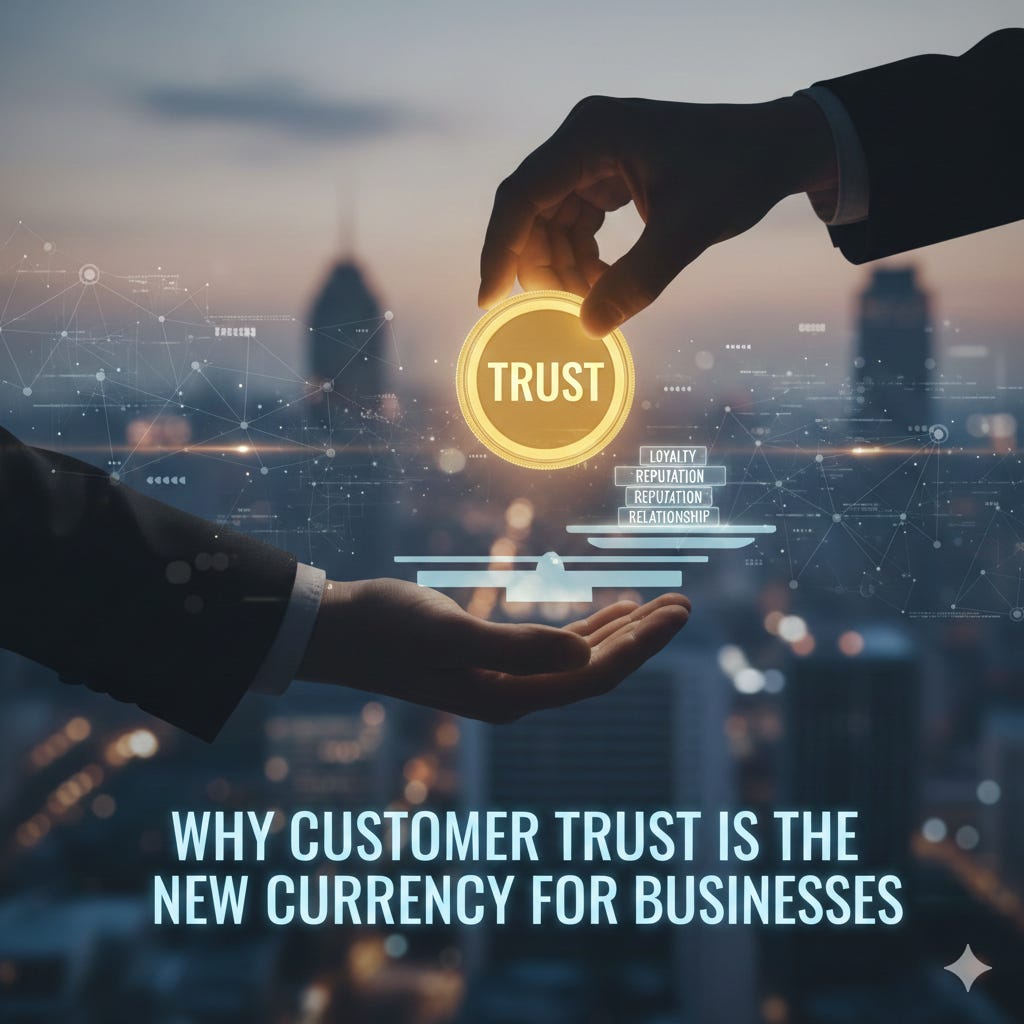
In today’s digital world, businesses are no longer just competing over products, services, or prices. They are competing for trust. Customers are more informed, connected, and vocal than ever before. One small mistake-a data breach, misleading claim, or poor service-can spread instantly and damage a brand’s reputation.
On the other hand, companies that prioritize transparency, honesty, and data protection gain a competitive edge that traditional marketing alone cannot achieve.
Why Trust Matters in Business
Customer trust has become essential for every business, no matter the size. Here’s why:
Loyalty and Retention: Trusted brands retain customers longer. Loyal customers are more likely to recommend your brand and make repeat purchases.
Reputation: A strong reputation attracts new customers, partners, and even investors. Conversely, one breach of trust can spread widely online and harm your image.
Revenue Impact: Trust directly affects revenue. Consumers are willing to pay more for brands they trust.
A survey by Edelman found that 81% of consumers consider trust an important factor in purchasing decisions, proving that trust is now a critical business asset.
Data Privacy: The Cornerstone of Trust
In a world driven by digital data, protecting customer information is crucial. Mishandling data can destroy trust overnight.
Key points about data privacy:
Customers Expect Protection: Consumers are increasingly aware of their data rights.
High Stakes of Breaches: IBM reports that 83% of customers would stop doing business with a company after a data breach.
Compliance Is Minimum: Following GDPR, CCPA, or other privacy laws is required—but going beyond compliance shows real commitment to customer trust.
How Trust Provides a Competitive Advantage
Trust isn’t just good for relationships—it also drives business growth.
Premium Pricing: Customers are willing to pay more for brands they trust.
Customer Lifetime Value: Loyal customers generate more revenue over time.
Partnerships and Opportunities: Trusted companies attract better collaborations and investment opportunities.
In crowded markets, trust is often the deciding factor between competitors.
Strategies to Build and Maintain Customer Trust
Building trust is an ongoing process. Here’s how businesses can strengthen it:
1. Be Transparent
Clearly explain products, services, and policies.
Admit mistakes and take corrective action promptly.
Open communication shows accountability.
2. Protect Customer Data
Use strong cybersecurity measures.
Be honest about data collection and usage.
Exceed legal compliance to show genuine care.
3. Deliver on Promises
Meet or exceed customer expectations consistently.
Avoid over-promising or under-delivering.
Reliable performance strengthens credibility.
4. Engage Authentically
Respond promptly to inquiries or complaints.
Personalize interactions and ask for feedback.
Make customers feel valued to encourage loyalty.
5. Practice Ethical Business Conduct
Use fair pricing and honest advertising.
Take socially responsible actions.
Demonstrate integrity across all operations.
The Future of Customer Trust
As technology evolves, trust will become even more important:
AI and Automation: Offer efficiency and personalization, but increase risk if handled unethically.
Digital Transparency: Customers expect honesty in online transactions and communications.
Investor and Partner Confidence: Trust extends beyond customers to investors and business partners.
Companies that balance innovation with ethical practices and transparency will gain a sustainable competitive advantage.
Customer trust is no longer optional—it’s a vital currency in today’s business world. It affects:
Customer loyalty and retention
Brand reputation and public perception
Revenue and long-term growth
Partnerships, investments, and opportunities
Protecting data, being transparent, and practicing ethical business are essential for building trust. Businesses that prioritize trust are investing in a currency that pays long-term dividends.
In the modern business landscape, trust isn’t just a value—it is the new currency, and companies that understand this will continue to grow and succeed.